
Milkshake texture and creaminess come from three things: the ice cream we start with, the milk or liquid we add, and how long and fast we blend. In plain terms, more dense ice cream, less added liquid, colder ingredients and gentler blending yield a thicker, creamier milkshake.
How texture and creaminess are defined for milkshakes
When customers ask what makes a milkshake creamy, they usually mean mouthfeel, body and how long the shake keeps its thickness as it warms. Those qualities are controlled by the composition of the ice cream, the dairy or milk substitute you choose, the solids in the mix, and the way the shake is mixed and served.
Key technical factors
- Fat content. Fat carries flavor and gives a silky mouthfeel.
- Milk solids not fat. These include proteins and sugars that add body without making the shake greasy.
- Air incorporation. More air makes the shake lighter and less dense. Less air makes it velvety and rich.
- Temperature. Colder shakes feel firmer and keep their texture longer.
- Mixing method. High speed blending can thin the shake by warming it and whipping in air. Short bursts preserve density.
Why our milkshakes start with our super premium ice cream
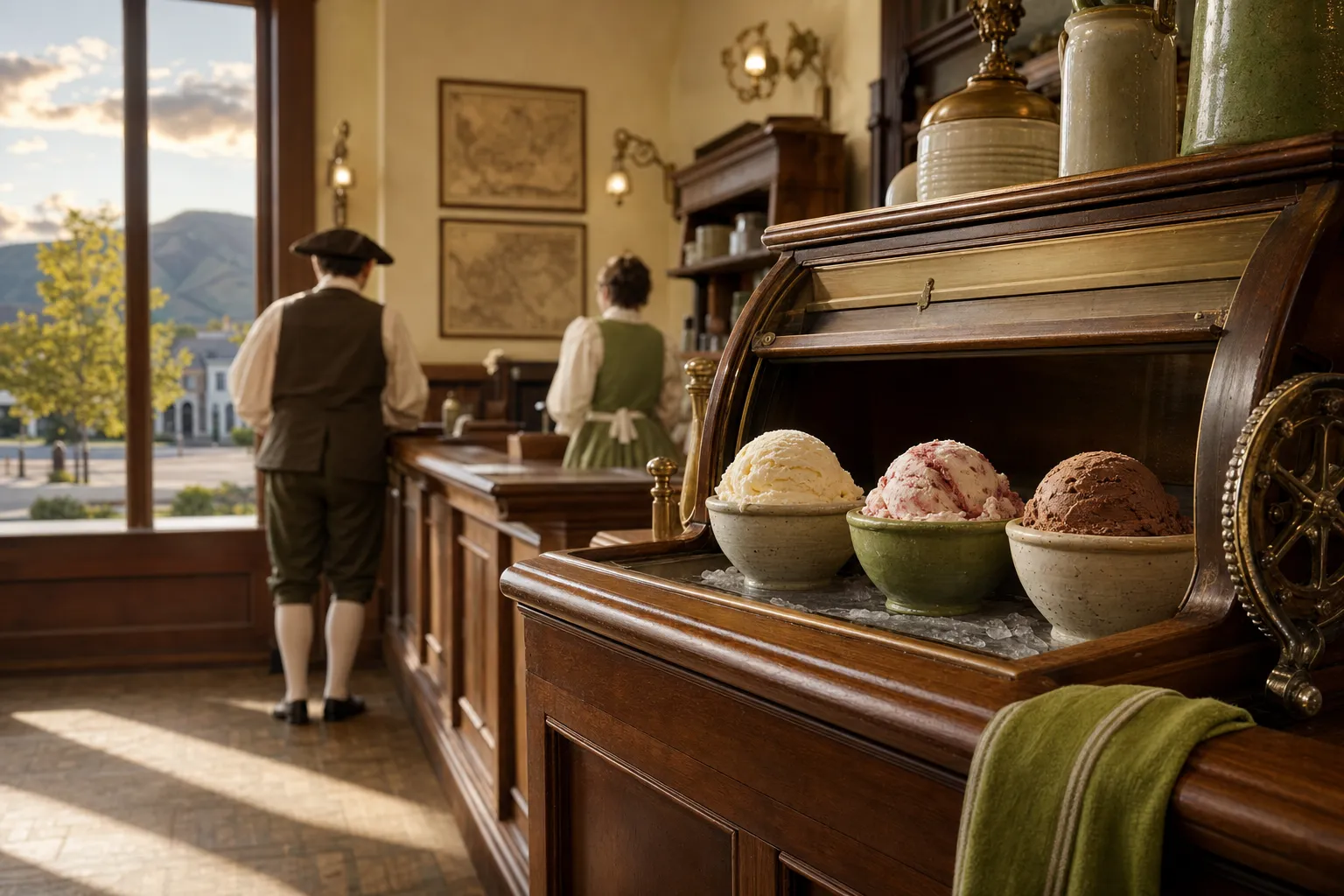
We make our shakes using the same small batch, homemade ice cream that we scoop for cones and sundaes. That base matters because our ice cream has a higher fat and total solids profile than lighter styles. Using a denser ice cream means a thick, creamy shake without needing a lot of added liquid.
What we choose and why
- We use full flavor scoops from our rotating selection of 32 flavors to ensure each shake tastes like the ice cream, not like milk.
- We match the milk or cream to the flavor. For richer flavors we use creamier milk. For bright fruit flavors we balance with a lighter dairy to keep the fruit forward.
- We keep ingredients cold and portion measured to keep consistency between shakes.
To read more about texture principles and our broader approach, see our topic page on Texture And Creaminess.
How we make a milkshake at Brookers Founding Flavors
We follow a predictable process so you get the mouthfeel you expect when you visit from Riverton or any nearby neighborhood.
- Select the ice cream. We start with two full scoops for a classic single shake or three scoops for a thick shake. The scoop count sets the base solids and richness.
- Choose the liquid. We add whole milk, half and half, or a small splash of heavy cream depending on the flavor and the thickness requested.
- Combine gently. Rather than running a blender at full speed, we pulse to combine until the shake is smooth but still dense.
- Finish cold and serve promptly. We chill the cup and pour immediately so the texture stays intact on the way to the table.
Pro tip: If you prefer a thick shake, ask for an extra scoop rather than extra milk. Extra scoops increase body without watering down flavor.
Watch out: Over blending thins the shake by warming it and whipping in air, and it can flatten delicate flavors like fresh fruit.
Common choices and their effect on texture
When you look at a menu or pick a flavor, a few simple choices change the final mouthfeel. We explain the tradeoffs so you can choose a shake to match the bite you want.
Milk or cream choices
- Whole milk. Balanced body, good for most flavors.
- Half and half. Creamier mouthfeel, ideal for chocolate and caramel based flavors.
- Heavy cream splash. Very rich, best with bold flavors or as a small addition to avoid overwhelming sweetness.
Flavor and inclusions
Mix ins like cookie pieces, candy, or fresh fruit change texture. Crushed cookies add pleasant grit and chew, while fruit adds juice that can thin a shake over time. We fold larger inclusions in last so they stay texturally distinct.
Texture across our dessert menu
Texture is not just a milkshake concern. Sundaes, floats and ice cream cakes rely on similar principles. If you want a dessert with a long lived texture, choose items where the sauce or topping is added warm at the table, or where the ice cream is the dominant component.
- For a dense dessert choose our sundaes built with layered scoops and restrained sauce.
- For a lighter treat choose a float, which is intentionally airy and effervescent.
- Look at our Sundaes page to compare styles and toppings.
Choosing a milkshake by occasion and texture
Different occasions call for different textures. We offer guidance so you know what to expect when you bring guests from Riverton, or pick up a shake while out in Lehi.
Quick checklist for ordering
- Looking for a treat that lasts while you chat Choose a thicker shake with extra scoop.
- Want something sippable and refreshing Choose whole milk and pulse blend.
- Sharing with children Ask for a smaller cup and milder mix ins.
Key takeaway
Milkshake creaminess comes from the ice cream base, the proportion of added liquid, temperature control, and how the shake is mixed. We use dense homemade ice cream and measured, cold mixing to deliver reliable texture for every shake we serve to guests from Riverton and the surrounding communities.
Frequently asked questions
Why do some milkshakes feel icy or thin?
A thin or icy shake usually means there is too much added liquid, the base ice cream has lower solids, or the shake has been over blended so air and warmth have thinned it. Choosing a denser ice cream and asking for less milk reduces that chance.
Can I ask for a thicker or thinner shake?
Yes. We make thickness adjustments by changing the scoop count and the amount of milk or cream. Asking for an extra scoop makes a thicker shake, while a little more milk makes it thinner and easier to sip through a straw.
Do flavor mix ins affect creaminess?
Mix ins like cookies, nuts or candy add texture and can change how creamy a shake feels. Soft mix ins such as caramel blend into the base and enhance creaminess, while crunchy items add chew and perceived body.
How does temperature change what I taste?
Colder temperatures mute sweetness and some flavor notes while increasing firmness. Serving at a balanced cold temperature keeps the shake thick and lets flavors come through as you enjoy it.
Do you offer milk alternatives and how do they change texture?
We can use milk alternatives. Plant based milks tend to have lower fat and different protein content, so they often produce a lighter mouthfeel. We adjust portions to keep a pleasant texture when customers choose those options.
Learn more and stop by
Read more on our topic page about Texture And Creaminess and see our Milkshakes menu for flavor choices at Milkshakes. If you are planning a visit from Riverton or nearby towns, our Locations page lists where we serve our homemade ice cream and themed atmosphere. For reviews and directions, check our Google Business Profile to read what guests say and get directions.